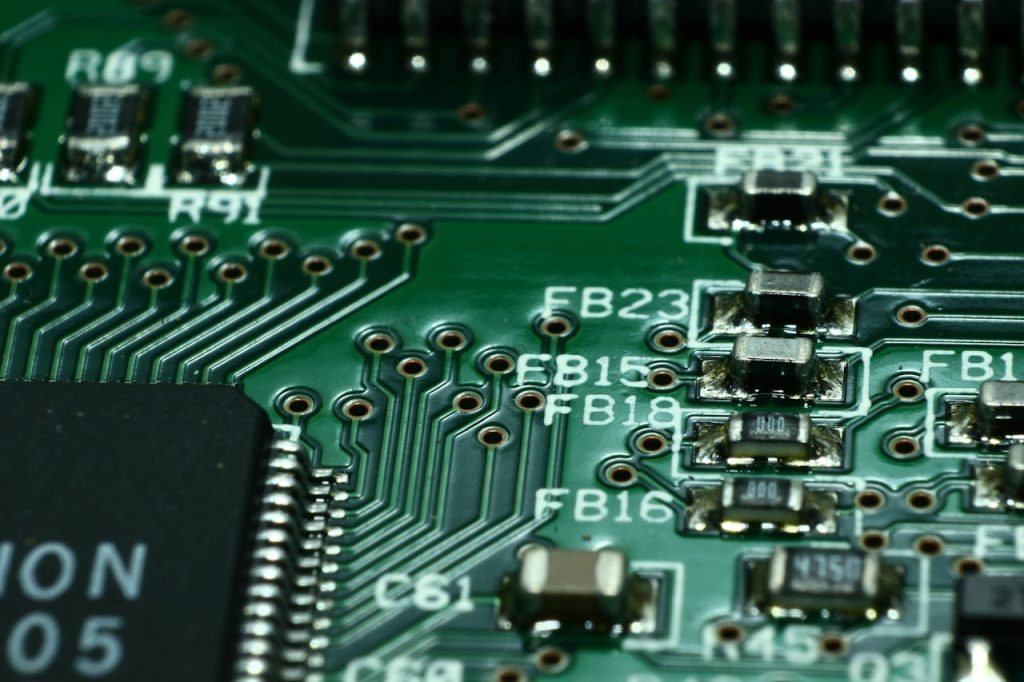
Electronic waste, or e-waste, is one of the fastest-growing waste streams in the world. As technology advances, devices become obsolete at an increasing rate, leading to millions of tonnes of discarded electronics each year. From old smartphones and laptops to battery-operated toys and learning gadgets, e-waste presents serious environmental and health challenges.
At RePlay Lab, we are committed to extending the life of quality electronic toys and reducing unnecessary waste. In this article, we explore the impact of e-waste on our ecosystem, the barriers to proper recycling, and practical solutions to minimise electronic waste.
1. What Is E-Waste?
E-waste includes any discarded electronic device or component, such as:
- Household Electronics: Phones, tablets, computers, TVs, and game consoles.
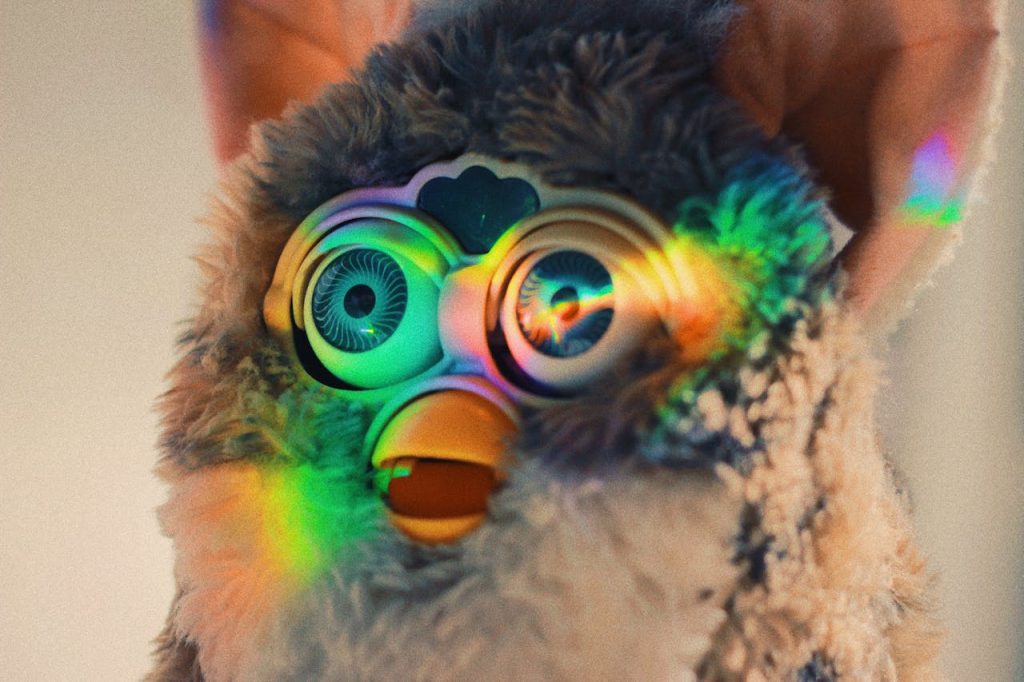
- Battery-Operated Toys and Learning Devices: Educational gadgets, electronic puzzles, and robotic kits.
- Small Appliances: Microwaves, kettles, and other devices with electronic parts.
While many of these products still contain valuable materials like gold, silver, lithium, and rare earth elements, the majority are either thrown away or improperly recycled.
2. The Environmental Impact of E-Waste
A. Toxic Chemical Leaks
Many electronic components contain toxic substances such as lead, mercury, and cadmium. When e-waste is dumped in landfills:
- Heavy metals seep into soil and water, contaminating ecosystems.
- Chemicals accumulate in the food chain, affecting both wildlife and human health.
B. Air and Water Pollution
Improper disposal of e-waste often leads to illegal dumping and open burning, particularly in developing countries. This:
- Releases harmful toxins into the air, affecting respiratory health.
- Pollutes waterways, harming aquatic ecosystems and drinking water supplies.
C. Resource Depletion
Many of the elements in electronic devices—such as cobalt, lithium, and rare earth metals—are mined in environmentally destructive ways. Discarding electronics instead of recycling them increases the demand for further resource extraction, contributing to habitat destruction and carbon emissions.
3. Barriers to E-Waste Recycling
Despite growing awareness, e-waste recycling faces significant challenges:
A. Lack of Proper Recycling Facilities
- Many communities do not have accessible e-waste recycling programs, leading people to dispose of electronics improperly.
- Recycling centres often struggle with complex disassembly processes, making it difficult to recover valuable materials.
B. Short Product Lifespans and Planned Obsolescence
- Many electronic devices are designed to become obsolete quickly, encouraging frequent replacements.
- Manufacturers often make repairs difficult, forcing consumers to buy new products instead of fixing old ones.
C. Low Consumer Awareness
- Many people don’t know how to dispose of e-waste responsibly or assume recycling options aren’t available.
- E-waste is often mixed with general waste, making it unrecoverable for recycling.
4. Solutions: How We Can Reduce E-Waste
A. Choosing Refurbished and Repairable Electronics
- Opt for refurbished devices—this keeps products in circulation longer and reduces demand for new production.
- Support repair-friendly brands that design products with replaceable batteries and modular components.
B. Proper Disposal and Recycling
- Find local e-waste recycling programs—many councils and retailers have drop-off points for old electronics.
- Donate functional devices to organisations that refurbish and redistribute them.
C. Extending the Life of Electronic Toys
At RePlay Lab, we focus on:
- Refurbishing battery-operated educational toys to extend their usability.
- Teaching kids and families the value of repair and reuse over disposal.
D. Supporting Policy Changes and Circular Economy Initiatives
- Advocate for “Right to Repair” laws that require manufacturers to provide spare parts and repair manuals.
- Encourage companies to take responsibility for their products’ end-of-life recycling.
5. The Role of Families and Educators
A. Teaching Kids About Responsible Tech Use
- Explain where electronic components come from and why recycling matters.
- Encourage responsible ownership, such as caring for devices to extend their lifespan.
B. Sustainable Toy Choices
- Choose toys that last, rather than disposable plastic gadgets.
- Consider non-electronic STEM toys, such as mechanical engineering kits that encourage hands-on learning without battery waste.
Conclusion
E-waste is a growing environmental problem, but we have the power to make a difference. By choosing refurbished products, repairing instead of replacing, and recycling electronics responsibly, we can reduce the impact of discarded technology on our planet.
At RePlay Lab, we believe in keeping quality toys in circulation, ensuring that learning tools continue to inspire children without adding to landfill waste. Together, we can build a future where technology and sustainability go hand in hand.
For more insights into sustainability, ethical consumption, and responsible technology use, continue to follow our blog at RePlay Lab.