Plastics are everywhere—from the packaging that protects our food to the robust components in our favourite educational toys. Their versatility and durability have transformed modern life, but these benefits come with significant environmental challenges. In this article, we explore how plastics are produced, what happens to them once their useful life ends, the challenges they pose, and the strategies we can adopt to minimise their environmental impact.
1. The Production of Plastics
A. From Fossil Fuels to Polymers
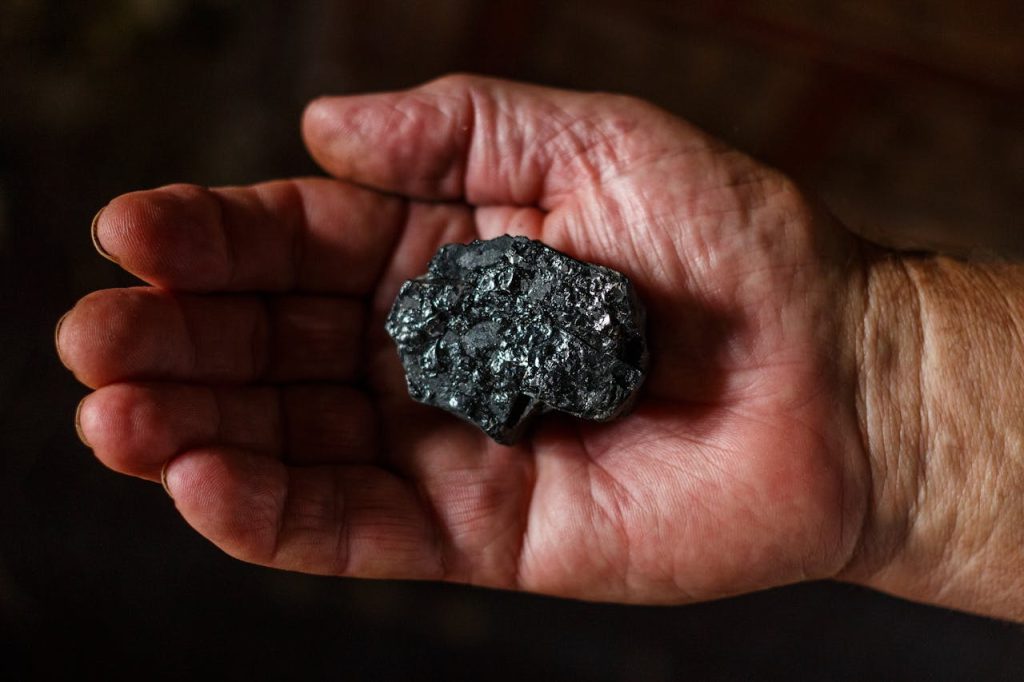
Most plastics are derived from fossil fuels, such as crude oil and natural gas. The process involves:
- Chemical Transformation:
Hydrocarbons are processed through complex chemical reactions to create polymers—the building blocks of plastics. - Energy Intensive Processes:
High temperatures and pressures are required during polymerisation, leading to substantial energy consumption and associated greenhouse gas emissions. - Additives and Finishing:
To improve performance, various additives (e.g. plasticisers, colourants, and stabilisers) are incorporated, which can sometimes complicate recycling efforts later on.
B. Benefits and Drawbacks in Production
While the production process allows for the creation of lightweight, durable materials, it also has downsides:
- Resource Extraction:
Extracting fossil fuels has environmental impacts such as habitat destruction and pollution. - Waste Generation:
By-products and emissions from production contribute to the overall environmental footprint of plastic manufacturing.
2. The Lifecycle of Plastics: From Production to Disposal
A. Widespread Usage and Longevity
Plastics are prized for their longevity and durability. These very traits, however, lead to significant challenges when plastics reach the end of their life:
- Long Decomposition Periods:
Plastics can take hundreds of years to decompose, leading to persistent waste. - Accumulation in Landfills and Natural Environments:
Many plastics end up in landfills or, worse, in our oceans and landscapes, where they can harm wildlife and ecosystems.
B. Disposal Challenges
The end-of-life stage for plastics is fraught with difficulties:
- Recycling Complexities:
While recycling exists, contamination and the varied composition of plastics often mean that only a fraction is successfully repurposed. - Incineration Concerns:
Burning plastics can release toxic substances, contributing to air pollution and health risks. - Environmental Persistence:
Microplastics—tiny fragments that result from the breakdown of larger plastic items—are now found throughout the environment, affecting soil, waterways, and marine life.
3. Environmental Impacts
A. Ecosystem Disruption
Plastics in the environment can cause severe disruption:
- Wildlife Hazard:
Animals may ingest plastic debris or become entangled, leading to injury or death. - Soil and Water Contamination:
Leachates from plastics can contaminate soil and water, impacting plant growth and aquatic ecosystems.
B. Human Health Considerations
The effects of plastics are not limited to the natural world:
- Chemical Exposure:
Additives used in plastic production can sometimes migrate into food or water, posing potential health risks. - Microplastics Ingestion:
With microplastics now prevalent in our water supplies and food chain, there is growing concern about their long-term impact on human health.
4. Minimisation Strategies and Sustainable Alternatives
A. Reducing Plastic Production and Consumption
One of the most effective ways to combat plastic pollution is by reducing demand:
- Choosing Recycled and Upcycled Products:
Initiatives like RePlay Lab champion the use of pre‑loved, high‑quality toys that have already been produced, thereby reducing the need for new plastic. - Design for Longevity:
Emphasising durability and repairability in product design can extend a plastic item’s lifespan, lessening its environmental impact.
B. Enhancing Recycling and Waste Management
Improving the recycling process is critical:
- Advanced Recycling Technologies:
New methods, such as chemical recycling, offer the potential to break down plastics into their original components for reuse. - Community-Led Initiatives:
Local collection and recycling drives can help increase recycling rates and ensure that plastics are managed responsibly.
C. Sustainable Alternatives
Exploring alternatives to conventional plastics is another important strategy:
- Biodegradable Materials:
Research into biodegradable plastics derived from renewable resources is growing, offering a promising alternative that decomposes more readily. - Eco‑Friendly Packaging:
Many companies are shifting towards minimal, sustainable packaging solutions—using materials like cellulose-based bags—to reduce waste.
5. The Role of Educational Toys in Promoting Sustainability
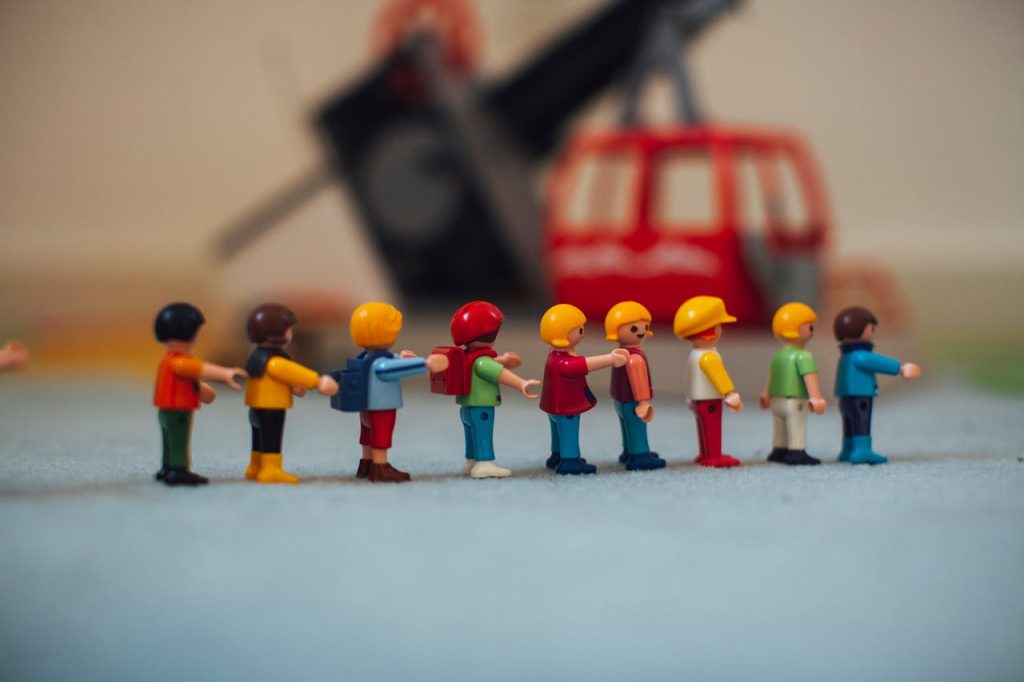
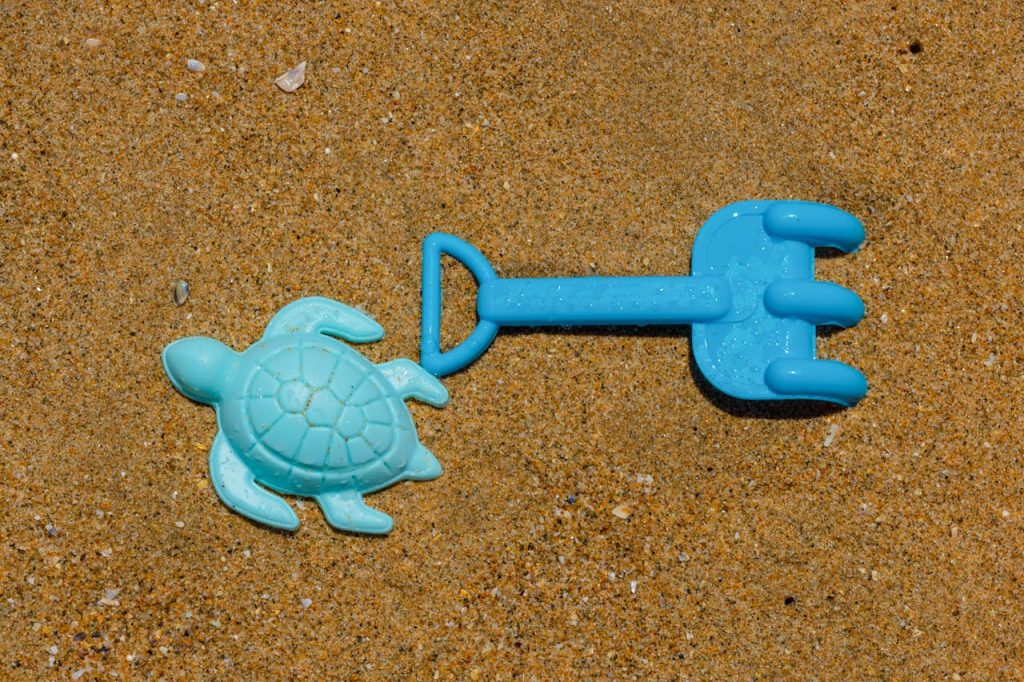
Educational toys, especially those used to teach STEM concepts, often rely on plastics due to their durability and versatility. However, by choosing toys that have been refurbished and responsibly sourced, consumers can contribute to a more sustainable cycle:
- Promoting Reuse:
Refurbishing toys extends their lifecycle, reducing the demand for new plastic production. - Educating Future Generations:
By integrating sustainability into play, educational toys can serve as a practical introduction to environmental stewardship and resourcefulness. - Supporting a Circular Economy:
Community initiatives that refurbish and repurpose quality toys help close the loop, encouraging the reuse of materials and minimising waste.
Conclusion
Plastics have revolutionised our modern way of life, but their production, disposal, and persistence in the environment present significant challenges. From the energy-intensive production processes and the extraction of fossil fuels to the long-lasting impact of waste, every stage of a plastic’s lifecycle demands our attention. By embracing strategies such as reducing consumption, enhancing recycling efforts, and opting for sustainable alternatives, we can begin to mitigate these environmental challenges.
At RePlay Lab, we are proud to be part of a community-driven movement that champions the reuse and refurbishment of educational toys. Through responsible practices, we not only provide enriching, high‑quality products for learning but also contribute to a broader commitment to sustainability. By choosing refurbished and thoughtfully curated toys, we all play a part in creating a greener, more sustainable future.
For further insights into environmental challenges, sustainable practices, and community initiatives, continue to follow our blog at RePlay Lab.