In our modern, technology-driven society, electronic devices are an everyday necessity. However, behind the sleek designs and impressive performance of these gadgets lies a hidden cost: the environmental and social impact of mining the raw materials needed to manufacture them. In this article, we explore the often-overlooked consequences of extracting minerals and elements essential for electronics, and we consider ways to mitigate these effects for a more sustainable future.
1. The Demand for Precious Materials
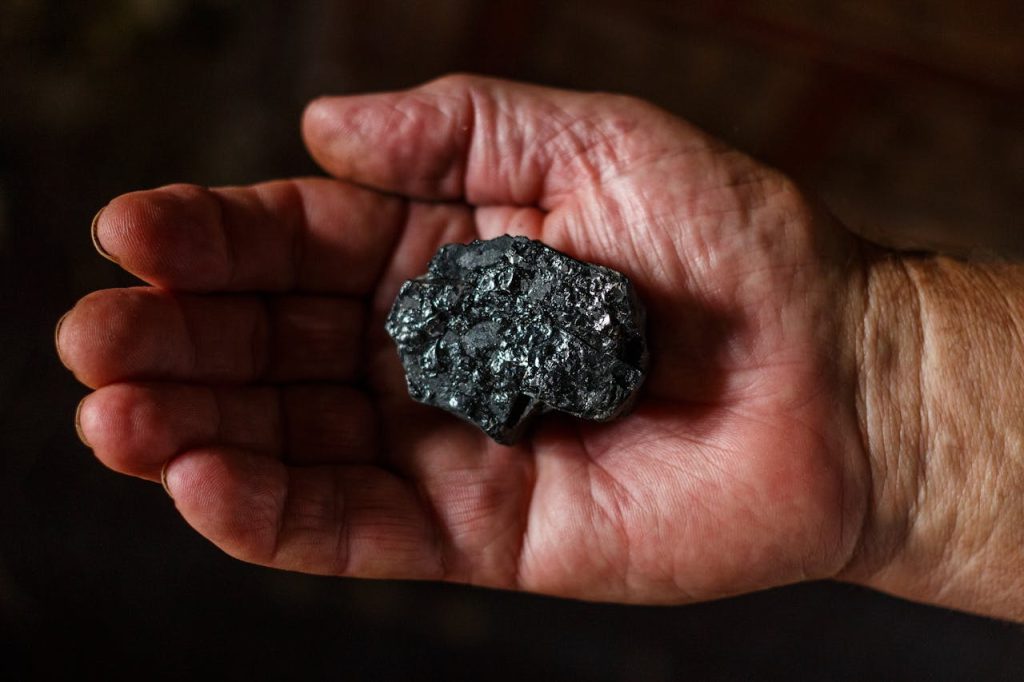
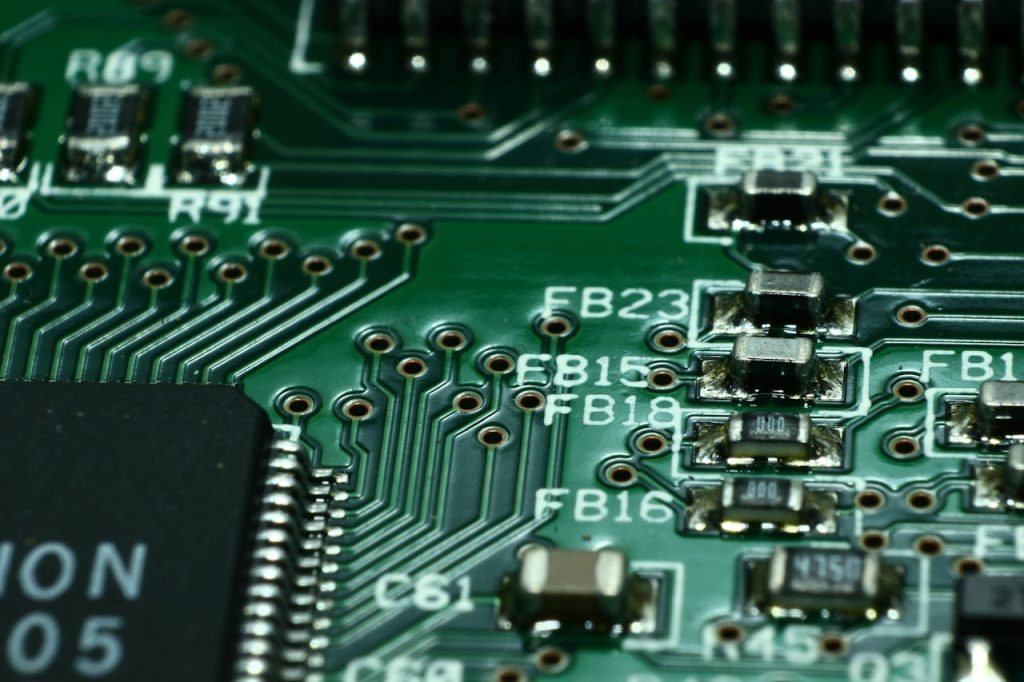
Every smartphone, laptop, and tablet contains a range of metals and minerals that are mined from the Earth. Key elements such as lithium, cobalt, nickel, gold, and rare earth elements are integral to the function of modern electronics. These materials contribute to everything from batteries and circuits to screens and sensors. However, the process of mining these resources comes at a significant environmental and social cost.
2. Environmental Impacts of Mining
Habitat Destruction and Biodiversity Loss
Mining operations often require large tracts of land to be cleared, resulting in the destruction of natural habitats. This deforestation and land degradation lead to a loss of biodiversity, as local flora and fauna are displaced or perish. The removal of vegetation also contributes to soil erosion and disrupts ecosystems that have taken centuries to develop.
Water Pollution and Resource Depletion
Mining activities can contaminate nearby water sources with toxic chemicals used during the extraction process. Acid mine drainage—where sulphuric acid and heavy metals leach into waterways—can have devastating effects on aquatic life and communities that rely on these water sources for drinking and agriculture. Moreover, mining is a water-intensive process, and in regions where water is already scarce, this can exacerbate local water shortages.
Greenhouse Gas Emissions
The extraction and processing of minerals are energy-intensive processes that contribute significantly to greenhouse gas emissions. From the heavy machinery used in mining operations to the transport of raw materials, the carbon footprint of mining adds to the overall environmental impact of electronics production. These emissions play a role in climate change, contributing to global warming and the increasing frequency of extreme weather events.
3. Social and Economic Impacts
Labour Conditions and Community Displacement
Mining operations, particularly in developing regions, can be associated with harsh working conditions, low wages, and health risks for workers. In some instances, mining has led to the displacement of indigenous communities and local populations, with long-term social and economic consequences. The benefits of mining often do not extend to the communities most affected by these operations, creating a stark disparity between global tech giants and the people living near mining sites.
Economic Dependency and Volatility
While mining can provide short-term economic benefits to local communities, it often creates long-term dependency on a single industry. When global prices for these minerals fluctuate, entire communities can be left vulnerable to economic instability. Moreover, the environmental degradation caused by mining can hinder other economic activities, such as agriculture and tourism, further impacting local livelihoods.
4. Minimising the Impact: Sustainable Strategies and Innovations
Ethical Sourcing and Recycling
One of the most effective ways to reduce the environmental impact of electronics is through ethical sourcing and increased recycling. By prioritising materials that have been responsibly sourced and by supporting recycling programmes, manufacturers can decrease the need for new mining. Initiatives that focus on recovering precious metals from discarded electronics not only conserve resources but also reduce the overall energy required for production.
Embracing a Circular Economy
The concept of a circular economy involves designing products for longevity, repair, and reuse. By extending the lifecycle of electronic devices and components, companies can reduce the demand for new materials. Refurbished electronics and recycled components help create a market where the environmental cost of mining is spread over a longer period, diminishing its impact. This approach is at the heart of community initiatives like RePlay Lab, which champion the idea of giving quality, pre‑loved products a second life.
Technological Innovations in Mining
Advances in mining technology and improved regulatory frameworks can help mitigate some of the environmental impacts of extraction. Innovations such as precision mining, reduced water usage, and better waste management techniques are being developed to lessen the ecological footprint of mining operations. However, these solutions must be paired with strong enforcement of environmental and labour standards to ensure that improvements are realised on the ground.
5. How We Can All Make a Difference
Conscious Consumerism
Every purchase we make has an impact. By opting for refurbished or sustainably made electronics, consumers can play a part in reducing the demand for newly mined materials. Educating ourselves about the origins of the products we use—and supporting companies with strong environmental and ethical policies—can drive change throughout the industry.
Supporting Community Initiatives
Community-led initiatives like RePlay Lab exemplify how local action can contribute to global sustainability goals. By refurbishing and reusing high-quality toys and electronics, these projects help lower waste, reduce the need for new production, and foster a culture of responsible consumption. In doing so, they not only support environmental sustainability but also promote educational opportunities and community engagement.
Advocating for Change
Public awareness and advocacy are key to driving systemic change in how we source and use natural resources. By supporting policies that enforce sustainable mining practices, ethical labour standards, and robust recycling programmes, we can help ensure that the environmental and social costs of electronics are significantly reduced.
Conclusion
The hidden cost of electronics is a complex issue that spans environmental, social, and economic dimensions. The mining required to supply the technology we depend on today carries significant consequences—from deforestation and water pollution to community displacement and greenhouse gas emissions. Yet, by embracing sustainable practices such as ethical sourcing, recycling, and the circular economy, we can work towards a future where our technology is not only advanced but also responsibly produced.
At RePlay Lab, we believe that every step towards sustainability counts. Through community action, responsible consumption, and a commitment to education, we can help build a world where innovation and environmental stewardship go hand in hand. Let’s work together to uncover the hidden costs and create solutions that benefit both our planet and future generations.
For more insights into sustainability, educational initiatives, and community-led solutions, stay tuned to our blog and join the conversation at RePlay Lab.