In every piece of modern technology, from smartphones to laptops, there is a fascinating journey that begins deep within the Earth and culminates in the intricate circuits powering our devices. In this article, we trace the remarkable path that raw minerals take—from their initial extraction as ore to their transformation into the sophisticated electronic components that drive our digital world.
1. Mining: Extracting the Raw Materials
The Beginning: Unearthing Precious Minerals
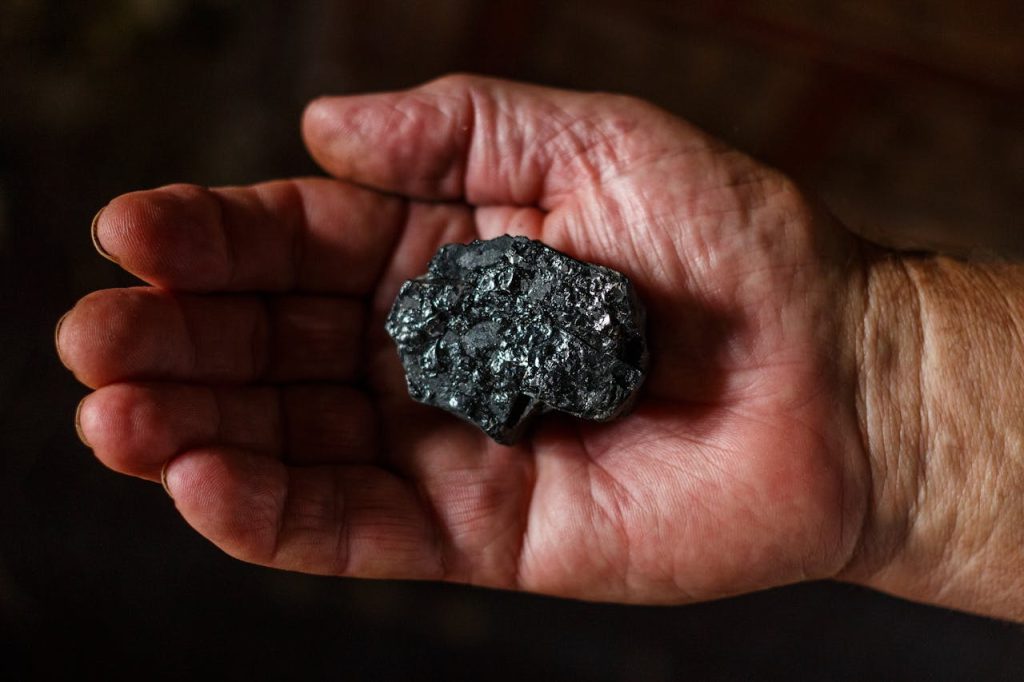
Every electronic device relies on a range of metals and minerals, including copper, gold, lithium, cobalt, and rare earth elements. These essential components are found in mineral ores, which are extracted from the Earth through mining.
- Extraction Techniques:
Modern mining employs both open-pit and underground methods, each carefully designed to access the raw materials. These techniques require significant energy and careful management to reduce environmental disruption. - Environmental Considerations:
As discussed in our previous article, mining can result in habitat destruction, water contamination, and significant greenhouse gas emissions. However, emerging practices and technologies are striving to mitigate these impacts through more precise extraction methods and improved waste management.
2. Processing: From Ore to Refined Material
Smelting and Refining
Once extracted, ore must undergo a series of processes to separate the valuable minerals from the surrounding rock.
- Smelting:
The ore is heated to high temperatures in a smelter, where chemical reactions occur to isolate the metal. This step is energy-intensive and requires strict controls to minimise environmental emissions. - Refining:
The isolated metals then go through refining processes to achieve the purity levels necessary for use in electronics. Advances in refining technology aim to reduce energy consumption and lower waste by-products, aligning with sustainable practices.
Sustainability in Processing
Innovations in processing techniques are crucial to reducing the environmental footprint of electronics manufacturing. By investing in cleaner technologies and efficient energy use, the industry can take meaningful steps toward minimising its overall impact.
3. Fabrication: Crafting the Circuit Components
Turning Refined Metals into Electronic Components
With refined metals in hand, manufacturers begin the intricate process of crafting components. This involves several high-precision techniques:
- Wafer Production:
Silicon, a key material for semiconductors, is purified and crystallised into wafers. These wafers serve as the foundation for integrated circuits that power electronic devices. - Microfabrication:
Advanced processes such as photolithography, etching, and deposition are used to build the microscopic circuits on the wafers. These techniques require clean-room environments and exacting precision, underscoring the technological marvel of modern electronics.
Quality Control and Efficiency
Throughout the fabrication process, rigorous quality control measures ensure that each component meets strict performance and safety standards. Manufacturers are continually innovating to improve efficiency and reduce waste, contributing to the sustainability of the overall production chain.
4. Assembly: Integrating Components into Devices
From Components to Finished Products
Once the individual components are manufactured, they are assembled into the devices we use every day. This stage involves:
- Circuit Board Assembly:
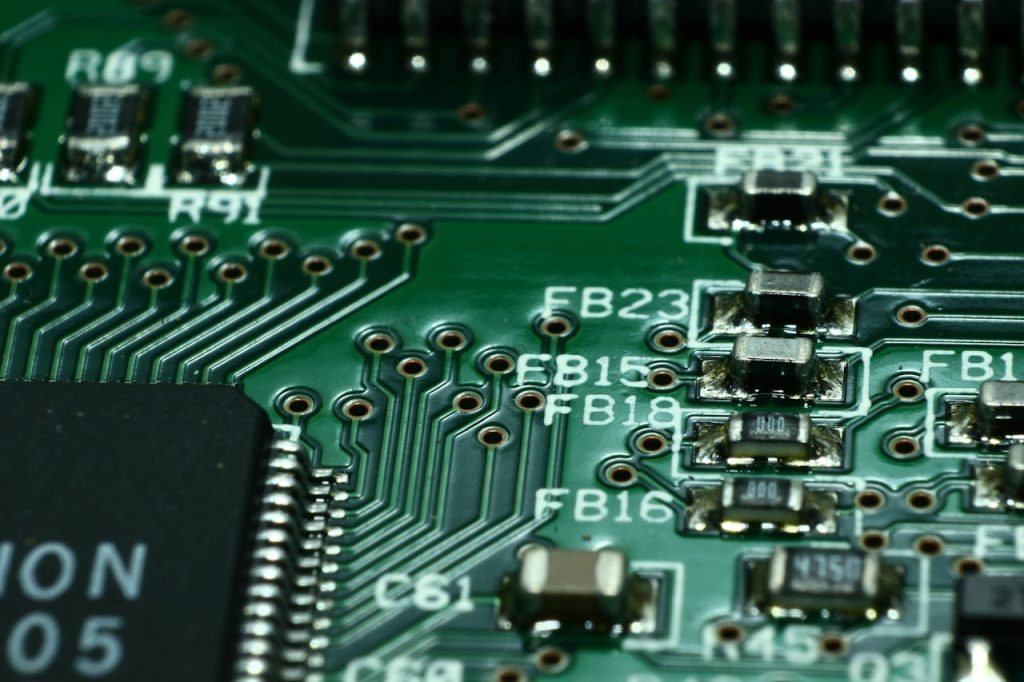
Electronic components are mounted onto printed circuit boards (PCBs) using techniques such as soldering and automated placement. - Device Integration:
PCBs are then integrated into devices along with other components—screens, batteries, and casings—to create the final product.
The Role of Refurbishment and Recycling
An essential aspect of reducing the environmental impact of electronics is the practice of refurbishment and recycling. Initiatives like RePlay Lab demonstrate how extending the lifespan of products through careful refurbishment can help lessen the demand for newly mined materials. By recovering valuable components from discarded devices, the industry can foster a circular economy that benefits both the environment and the community.
5. Looking to the Future: Sustainable Innovations
Towards a Greener Electronics Industry
The journey from ore to circuit is complex and resource-intensive, but there is hope on the horizon. Ongoing research and development in sustainable mining, processing, and fabrication techniques are paving the way for a greener electronics industry.
- Cleaner Technologies:
Emerging technologies aim to reduce energy consumption and environmental emissions at every stage of production. - Recycling and Circular Economy:
Enhanced recycling methods and refurbishment initiatives are vital in reducing the need for new raw materials, supporting the shift towards a more sustainable and resource-efficient future.
Conclusion
The journey from ore to circuit is a testament to human ingenuity and technological progress. However, it also highlights the significant environmental and social challenges associated with electronics production. By understanding this journey, consumers and manufacturers alike can make more informed choices that promote sustainability. At RePlay Lab, we champion the responsible use and refurbishment of high-quality educational toys, reflecting our broader commitment to environmental stewardship and community engagement.
As we continue to explore and support sustainable practices, we invite you to join us in advocating for a future where technological advancement goes hand in hand with respect for our planet. Stay tuned to our blog for more insights into the world of electronics, sustainability, and education.
For further reading on sustainable electronics and community initiatives, explore our blog and connect with us at RePlay Lab.