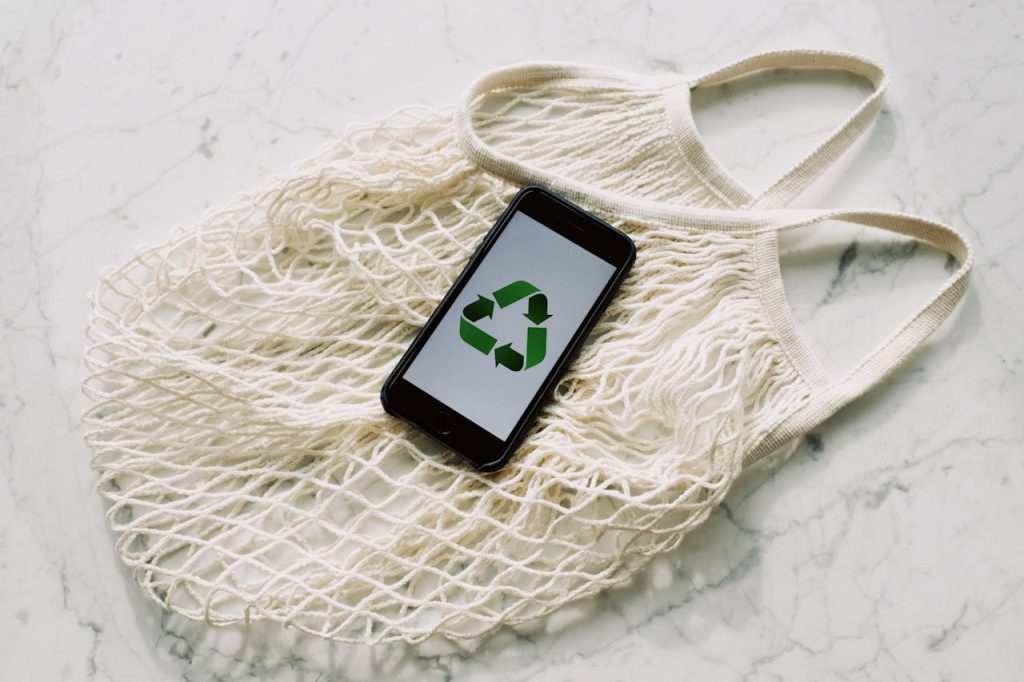
The way we produce, use, and dispose of everyday items—including toys—has long followed a linear model: take, make, dispose. This approach leads to excessive waste, environmental degradation, and a reliance on finite resources. But what if we could rethink our relationship with products and shift towards a circular economy—one where materials and products are designed to be reused, repurposed, and kept in circulation for as long as possible?
At RePlay Lab, we embrace circular economy principles by refurbishing high‑quality educational toys, extending their lifespan, and reducing the demand for new plastic production. In this article, we explore what a circular economy is, why it’s essential, and how toy refurbishment offers valuable lessons in sustainable resource management.
1. What Is a Circular Economy?
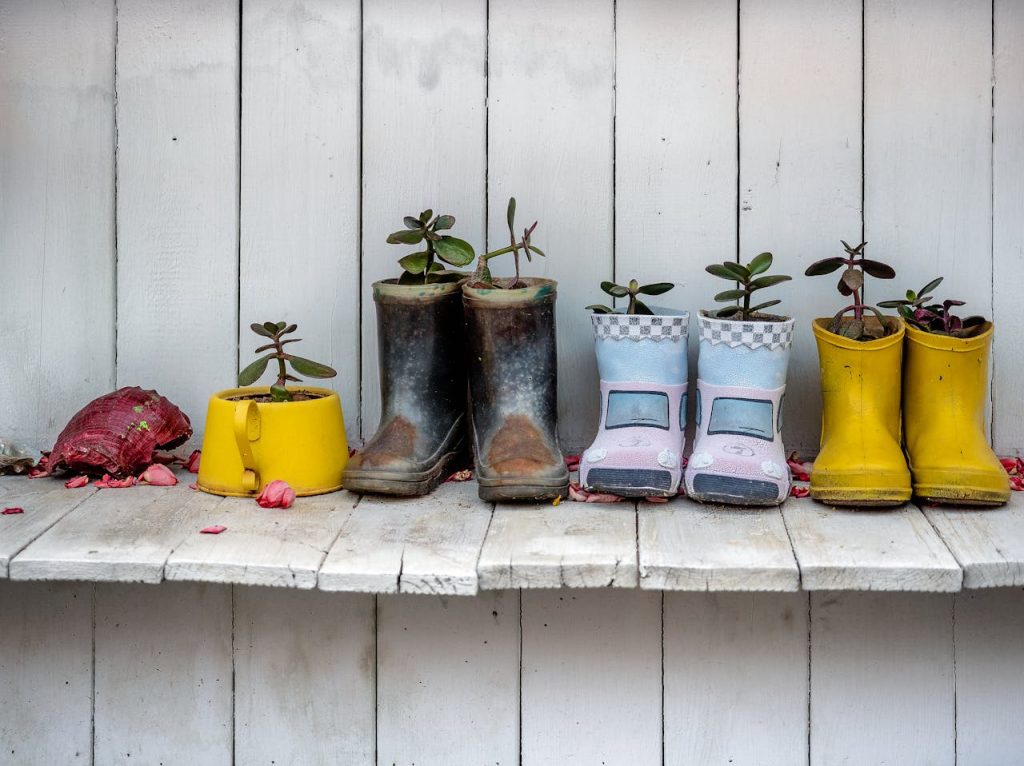
A circular economy is an alternative to the traditional linear economy. Instead of discarding products once they are no longer useful, a circular economy keeps materials in circulation by reusing, refurbishing, and recycling them. The key principles include:
- Designing for Longevity: Creating durable products that last longer.
- Minimising Waste: Ensuring materials are repurposed rather than discarded.
- Recycling and Reuse: Keeping products in circulation through refurbishment and repurposing.
- Regenerative Systems: Restoring and replenishing resources instead of depleting them.
By adopting these principles, industries and communities can reduce their environmental impact while making better use of existing materials.
2. The Role of Toy Refurbishment in a Circular Economy
At RePlay Lab, we apply circular economy principles to the world of educational toys by:
A. Extending the Lifespan of Toys
Many high-quality toys are built to last but are discarded once a child outgrows them. Instead of allowing these durable, educational items to go to waste, we:
- Recover and Restore: We collect pre‑loved toys that still have educational value.
- Clean and Detail: Through non-toxic cleaning and minor refurbishments, we ensure toys are safe and functional.
- Reintroduce to the Market: By making high‑quality refurbished toys available again, we provide families with sustainable and affordable alternatives.
B. Reducing Demand for New Plastic Production
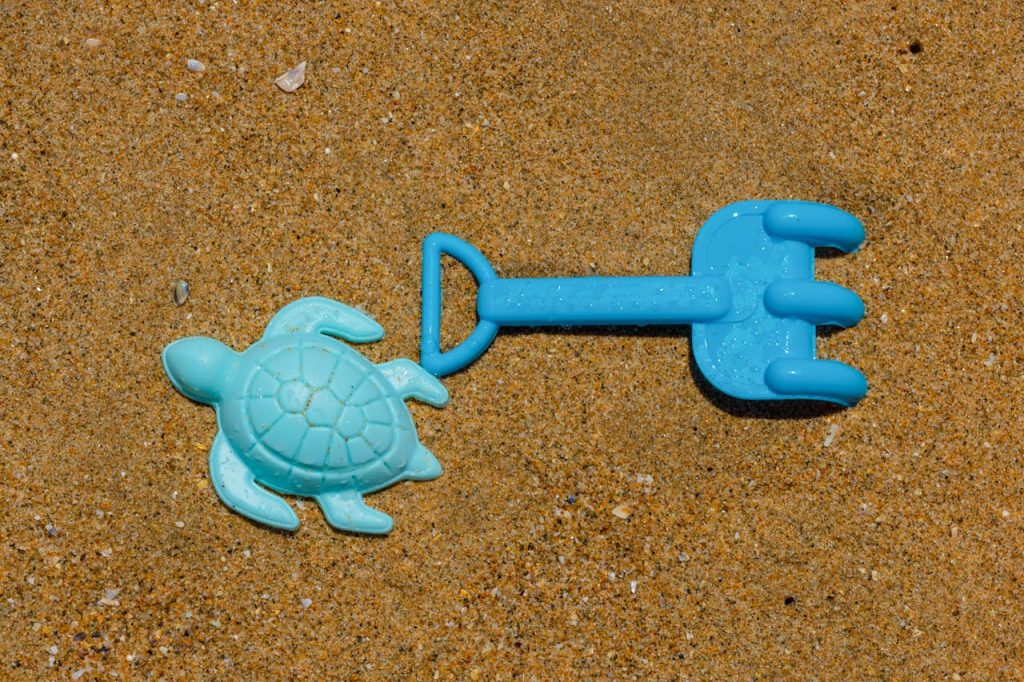
Plastic production is a major environmental concern, contributing to fossil fuel consumption and pollution. By keeping toys in circulation longer, we:
- Reduce the Need for Virgin Plastic: Fewer new toys being produced means lower demand for raw materials.
- Lower Carbon Emissions: The energy required to manufacture and transport new plastic toys is far greater than that needed for refurbishment.
C. Encouraging Responsible Consumption
A circular economy doesn’t just rely on businesses making changes—it also involves consumers rethinking their purchasing habits. Through our work at RePlay Lab, we:
- Promote Second‑Hand as First Choice: Encouraging families to see refurbished toys as a valuable alternative to new ones.
- Educate on Sustainable Play: Helping parents and educators understand the long-term benefits of choosing quality over quantity.
3. The Broader Benefits of a Circular Economy
A. Environmental Impact
Transitioning to a circular economy significantly reduces waste and pollution. By keeping products in circulation longer, we:
- Decrease Landfill Waste: Every refurbished toy is one less item in landfill.
- Lower Resource Extraction: Less demand for new materials means fewer resources being mined, drilled, or harvested.
B. Economic and Social Benefits
Circular economy principles also support local economies and create jobs in refurbishment, repair, and recycling industries. They:
- Encourage Sustainable Business Models: More businesses are shifting toward reuse and repair services.
- Empower Communities: Local refurbishment projects, like RePlay Lab, create opportunities for people to engage in sustainable practices.
4. How Families and Educators Can Support a Circular Economy
Toy refurbishment is just one part of the broader shift toward a circular economy. Families and educators can contribute by:
- Choosing Refurbished Toys First: Supporting businesses and initiatives that extend the life of quality products.
- Donating Rather Than Discarding: Passing on toys, clothing, and household goods to be reused instead of thrown away.
- Teaching Children About Sustainability: Encouraging young learners to value resources and understand the benefits of reuse.
By making these small, intentional choices, we can collectively work toward a more sustainable future.
Conclusion
A circular economy offers a compelling alternative to the wasteful habits of a linear system. By rethinking how we produce, use, and dispose of materials, we can build a future where resources are valued and protected. Toy refurbishment is a perfect example of circular economy principles in action—demonstrating that extending product life, reducing waste, and promoting sustainability can be both practical and rewarding.
At RePlay Lab, we’re proud to be part of this movement, ensuring that educational toys continue to inspire learning while reducing their environmental impact. Every toy given a second life is a step toward a more sustainable, responsible way of living.
For more insights into sustainability, education, and circular economy initiatives, continue to follow our blog at RePlay Lab.