The way children play has always evolved alongside society, technology, and environmental awareness. Today, the toy industry faces a critical turning point—balancing fun and education with sustainability and ethical production. As more families become conscious of the environmental impact of mass-produced plastic toys, the demand for eco-friendly, durable, and educational alternatives is growing.
At RePlay Lab, we believe in reshaping play through refurbished toys, sustainable choices, and circular economy principles. In this final article of our series, we explore how the toy industry is adapting to meet modern challenges, what innovations are emerging, and how families can be part of the future of sustainable play.
1. The Biggest Challenges in the Toy Industry
The traditional toy industry operates on a high-production, high-waste model. Some of its biggest challenges include:
A. Overproduction and Waste
- Short product lifespans mean millions of toys end up in landfill each year.
- Cheap, mass-produced plastic toys often break easily and cannot be repaired.
- Many toys are made from mixed materials, making them difficult to recycle.
B. Environmental Impact of Plastic Toys
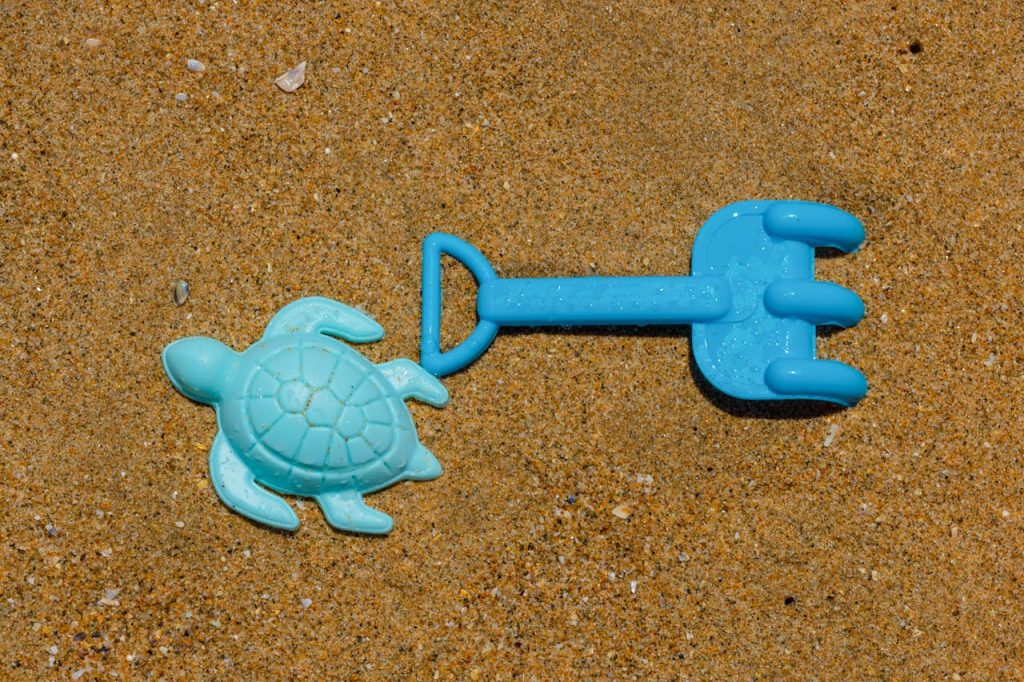
- The toy industry is one of the largest users of plastic—most of it non-recyclable.
- The production of new toys involves significant carbon emissions and resource depletion.
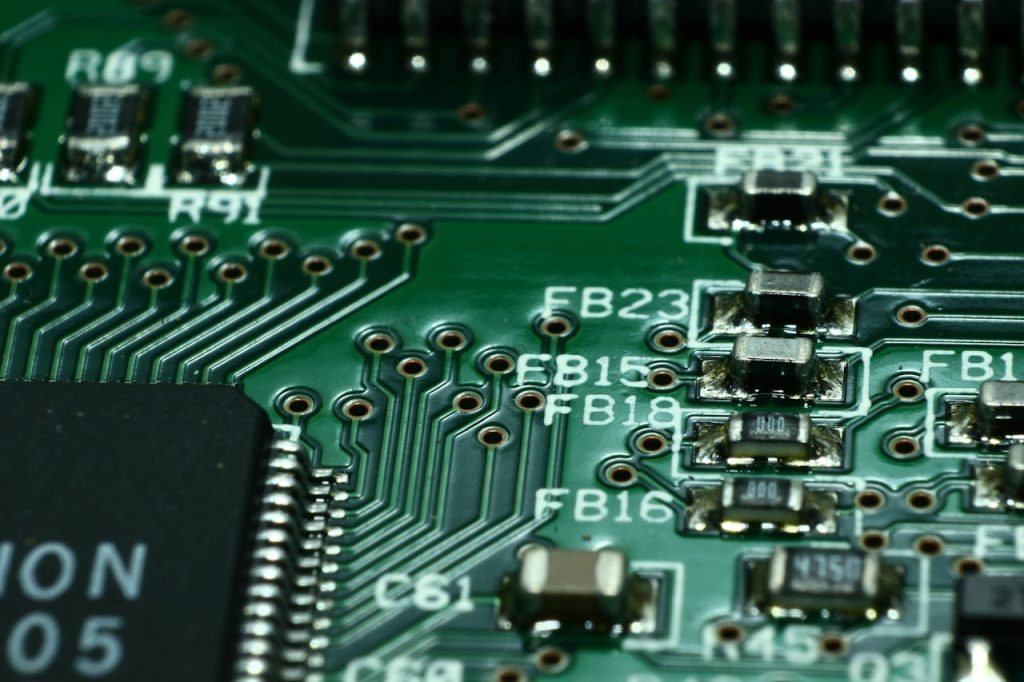
- Electronic toys contribute to e-waste, as many contain non-removable batteries and circuit boards.
C. Ethical and Safety Concerns
- Many toys are manufactured in factories with questionable labour practices.
- Toxic chemicals in some plastics pose potential risks to children’s health.
- Packaging waste—toys often come in excessive plastic wrapping and single-use materials.
These challenges have led to a shift in consumer expectations, with more families demanding sustainable and ethical options.
2. The Innovations Reshaping the Future of Toys
The toy industry is beginning to respond to sustainability concerns through new materials, circular economy models, and eco-conscious designs.
A. Sustainable Materials in Toy Production
- Recycled Plastics: LEGO is developing bricks made from recycled PET bottles, and other brands are using ocean plastics.
- Biodegradable Plastics: Some manufacturers are experimenting with plant-based plastics (PLA, PHA) that break down naturally.
- Sustainable Wood and Bamboo: FSC-certified wooden toys offer a durable, renewable alternative to plastic.
- Fabric and Natural Fibre Toys: More brands are introducing soft toys made from organic cotton, wool, and hemp.
B. Modular and Repairable Toy Designs
- Some companies are designing toys with replaceable parts, allowing children to repair rather than discard them.
- Interchangeable, buildable toys encourage creative reuse and long-term engagement.
- The Right to Repair movement is influencing toy design, ensuring longer product life cycles.
C. Circular Economy Business Models
- Toy Take-Back Programs: Some companies now offer return-and-recycle services to keep toys in circulation.
- Subscription Toy Services: Toy rental services allow families to borrow and return toys, reducing waste.
- Refurbished Toy Initiatives: Businesses like RePlay Lab extend the life of educational toys through careful restoration.
D. STEM and Sustainable Learning Toys
- Many new toys integrate STEM learning, coding, and engineering skills to prepare children for the future.
- Eco-conscious brands are developing science kits focused on renewable energy and sustainability themes.
- More toys now teach children about environmental responsibility, reinforcing the importance of sustainable choices.
3. How Families Can Shape the Future of Play
A. Choose Quality Over Quantity
- Invest in well-made, durable toys that will last for years.
- Prioritise educational, open-ended toys that grow with your child.
B. Support Sustainable and Second-Hand Toys
- Choose refurbished toys to reduce waste and save money.
- Look for eco-friendly brands that use responsible materials.
C. Reduce Toy Waste at Home
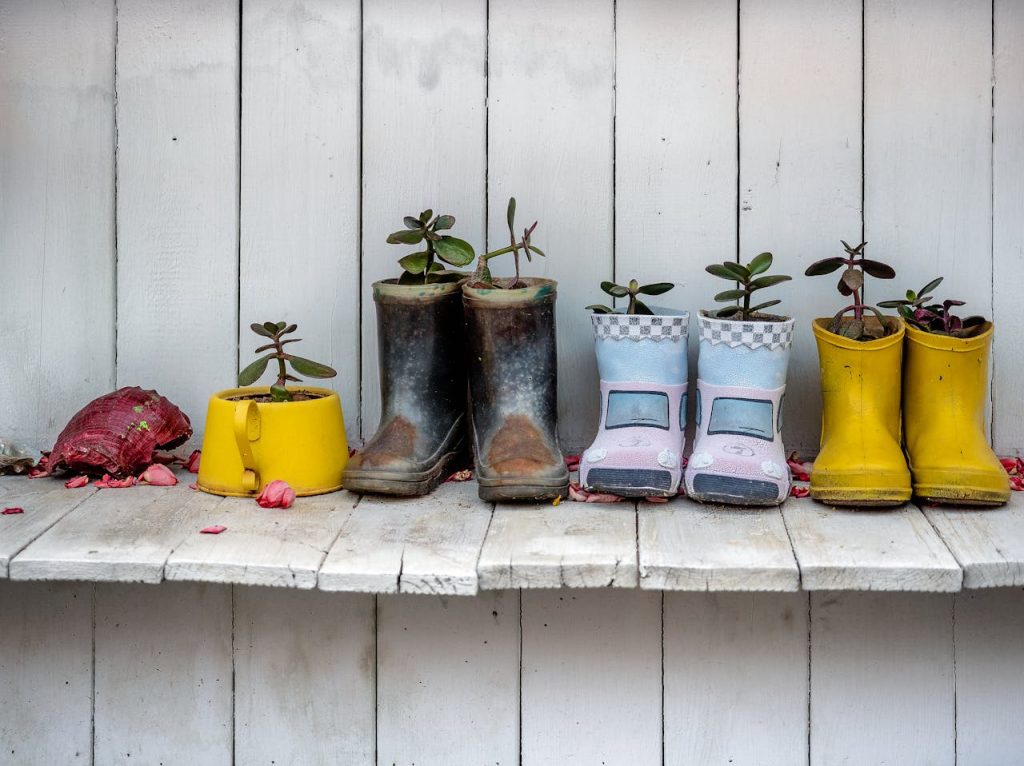
- Repair and repurpose toys instead of discarding them.
- Donate outgrown toys to schools, charities, or toy libraries.
D. Teach Children About Sustainability Through Play
- Explain the importance of reusing and sharing toys.
- Involve kids in sorting, repairing, and recycling old toys.
4. How RePlay Lab Is Contributing to the Future of Play
At RePlay Lab, we’re taking action by:
- Refurbishing and rehoming educational toys, keeping them in circulation.
- Minimising waste by ensuring that toys are repaired and reused.
- Providing affordable access to STEM and learning toys.
- Encouraging families to rethink consumption—choosing refurbished over new.
We believe the future of play should be sustainable, educational, and accessible to everyone.
Conclusion
The future of play is changing—towards sustainability, responsibility, and smarter design. As more families embrace eco-friendly and second-hand toys, the toy industry will be forced to adapt to a world where playtime doesn’t come at the planet’s expense.
At RePlay Lab, we’re excited to be part of this transformation, proving that refurbished toys can be just as valuable—if not more so—than brand new ones. By choosing quality over quantity, supporting sustainable businesses, and educating children about mindful consumption, we can shape a future where toys inspire learning while protecting the environment.
Together, we can make playtime a force for good—one toy at a time.
For more insights into sustainable play, ethical consumption, and responsible learning, continue to follow our blog at RePlay Lab.