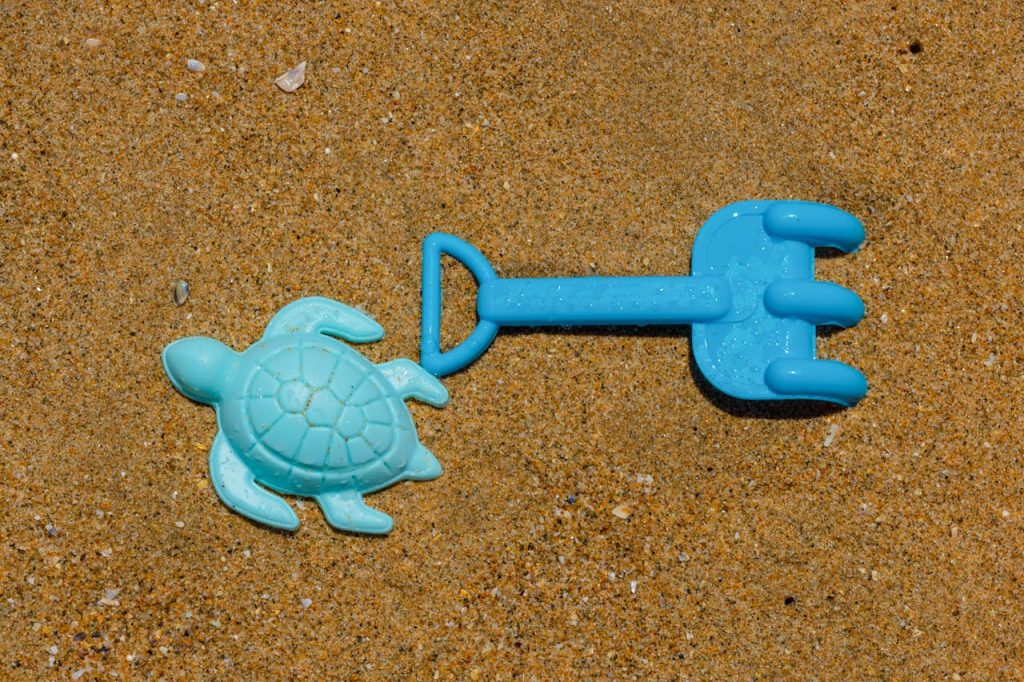
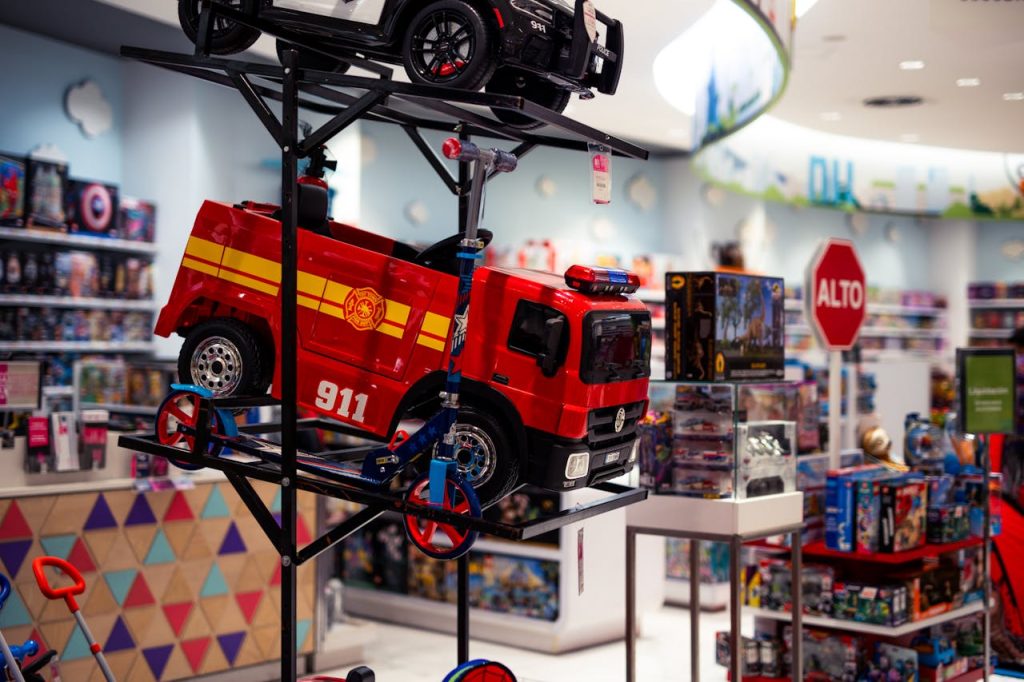
Plastic toys are everywhere—they’re colourful, durable, and often inexpensive. However, behind their convenience lies a serious environmental issue. The toy industry is one of the largest consumers of plastic, with millions of plastic toys discarded each year, contributing to landfill waste and pollution.
At RePlay Lab, we focus on reducing plastic waste by refurbishing and rehoming high-quality educational toys, ensuring that fewer toys end up in landfill. In this article, we explore the hidden cost of plastic toys, their impact on the environment, and what families can do to support more sustainable play.
1. The Environmental Problem with Plastic Toys
A. Made from Non-Renewable Resources
Most plastic toys are made from petroleum-based plastics, including:
- Polypropylene (PP) and Polyethylene (PE): Common in action figures and building blocks.
- PVC (Polyvinyl Chloride): Found in dolls and inflatable toys, often containing harmful additives.
- ABS (Acrylonitrile Butadiene Styrene): A rigid plastic used in LEGO and other durable toys.
Because these materials come from fossil fuels, plastic toy production contributes to carbon emissions and resource depletion.
B. Short Lifespan, Long-Term Waste
- Many plastic toys are designed for short-term use, either breaking easily or being quickly outgrown.
- Cheap, mass-produced plastic toys often end up in landfill after just a few months.
- Unlike other plastic waste, toys aren’t widely accepted in standard recycling programs due to mixed materials and dyes.
C. Microplastic Pollution and Decomposition
Plastic toys don’t biodegrade—instead, they break down into microplastics that pollute soil, waterways, and even our food chain. Some plastics can take hundreds of years to fully break down, leading to long-term environmental damage.
2. The Sustainable Toy Movement: Alternatives to Plastic
The good news is that the toy industry is slowly shifting towards more sustainable materials. Here are some of the best alternatives:
A. Wooden and Bamboo Toys
- FSC-certified wooden toys offer a biodegradable, durable alternative to plastic.
- Bamboo grows quickly and can be used to create lightweight, sturdy toys.
- Many classic toys, like puzzles, blocks, and pull-along animals, are now available in sustainable wood.
B. Recycled Plastic and Bioplastics
- Some toy manufacturers now use recycled ocean plastics to make new toys.
- Biodegradable plastics (PLA and PHA) are plant-based and designed to break down naturally.
- While not perfect solutions, these innovations help reduce reliance on virgin plastics.
C. Fabric and Natural Fibre Toys
- Cloth dolls, felt animals, and fabric playsets are soft, durable, and eco-friendly.
- Wool, cotton, and hemp-based toys avoid the synthetic fibres found in many plush toys.
D. Modular and Repairable Toys
- Some toy brands are designing modular toys that can be taken apart, repaired, and reused.
- RePlay Lab champions the repair and refurbishment of high-quality plastic toys, keeping them in circulation and out of landfill.
3. What Families Can Do to Reduce Plastic Toy Waste
A. Choose Quality Over Quantity
- Invest in durable toys that can withstand years of play and be passed down.
- Avoid impulse purchases of cheap, breakable plastic toys that end up in landfill quickly.
B. Buy Second-Hand or Refurbished
- Refurbished toys reduce waste while providing high-quality play experiences.
- Toy libraries and swapping communities help extend toy lifespans.
C. Support Sustainable Toy Brands
- Look for eco-friendly certifications such as FSC (for wood) and Global Organic Textile Standard (for fabric toys).
- Choose brands that offer recycling programs or use recycled materials.
D. Recycle and Repurpose
- Donate outgrown toys to schools, charities, or second-hand stores instead of throwing them away.
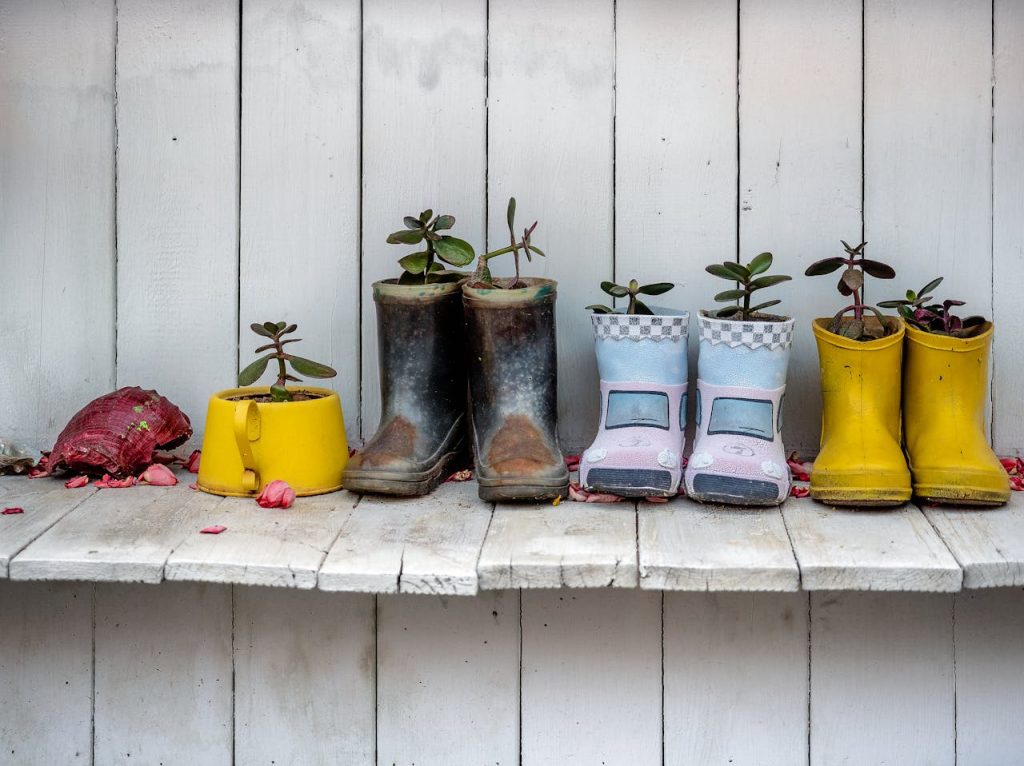
- Upcycle broken toys into craft projects, garden decorations, or STEM experiments.
4. The Role of RePlay Lab in Reducing Plastic Toy Waste
At RePlay Lab, we help minimise toy waste by:
- Refurbishing and rehoming educational toys to extend their lifespan.
- Teaching families about sustainable toy choices and responsible consumption.
- Using minimal, eco-friendly packaging to reduce unnecessary plastic waste.
By choosing refurbished toys, families not only reduce plastic waste but also promote a circular economy—where toys continue to inspire learning rather than ending up in landfill.
Conclusion
Plastic toys aren’t going away overnight, but by making smarter choices—buying less, choosing second-hand, and supporting sustainable alternatives—we can reduce their environmental impact.
At RePlay Lab, we believe in giving educational toys a second life, proving that sustainability and learning can go hand in hand. With a little thought and effort, we can create a future where playtime doesn’t come at the planet’s expense.
For more insights into sustainable play, responsible consumption, and toy refurbishment, continue to follow our blog at RePlay Lab.