Sustainability is not just a global issue—it starts at the community level, where grassroots initiatives are making a tangible impact in reducing waste, promoting recycling, and fostering a culture of environmental responsibility. Across Australia and beyond, local groups, volunteers, and small organisations are proving that big changes often begin with small, committed efforts. At RePlay Lab, we are proud to be part of this movement by refurbishing high‑quality educational toys and keeping them in circulation.
In this article, we explore the power of grassroots sustainability initiatives, how they are shaping a more responsible future, and how individuals can get involved in their own communities.
1. What Are Grassroots Sustainability Initiatives?
A. Local Action for Global Change
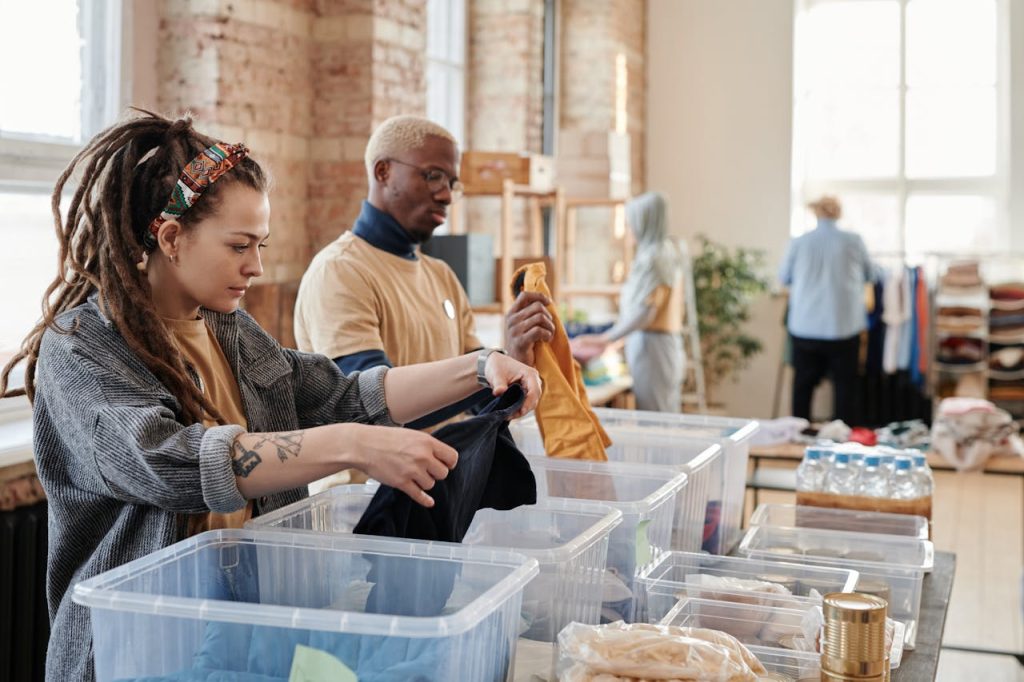
Grassroots sustainability initiatives are community-driven projects that focus on reducing waste, reusing materials, and promoting environmental awareness. Unlike large-scale corporate sustainability efforts, these initiatives thrive at a local level and rely on community participation to make a difference.
B. The Core Principles of Grassroots Movements
Grassroots sustainability initiatives share common values, including:
- Local Leadership: Empowering individuals and small groups to take action.
- Collaboration: Working with families, schools, and businesses to create sustainable change.
- Resourcefulness: Making use of existing materials, repurposing waste, and reducing environmental impact.
- Education and Awareness: Teaching the next generation the importance of responsible consumption and environmental stewardship.
2. Successful Grassroots Sustainability Movements
A. Toy Libraries and Sharing Networks
Across Australia, toy libraries have been growing in popularity, allowing families to borrow toys rather than purchasing new ones. This not only reduces waste but also encourages a culture of reuse and mindful consumption.
B. Community Repair Cafés and Fix-It Workshops
Repair cafés and community workshops provide a space where people can learn how to fix broken items—including toys, electronics, and household goods—rather than discarding them. These initiatives promote skills development, reduce landfill waste, and bring people together to share knowledge.
C. Upcycling and Repurposing Projects
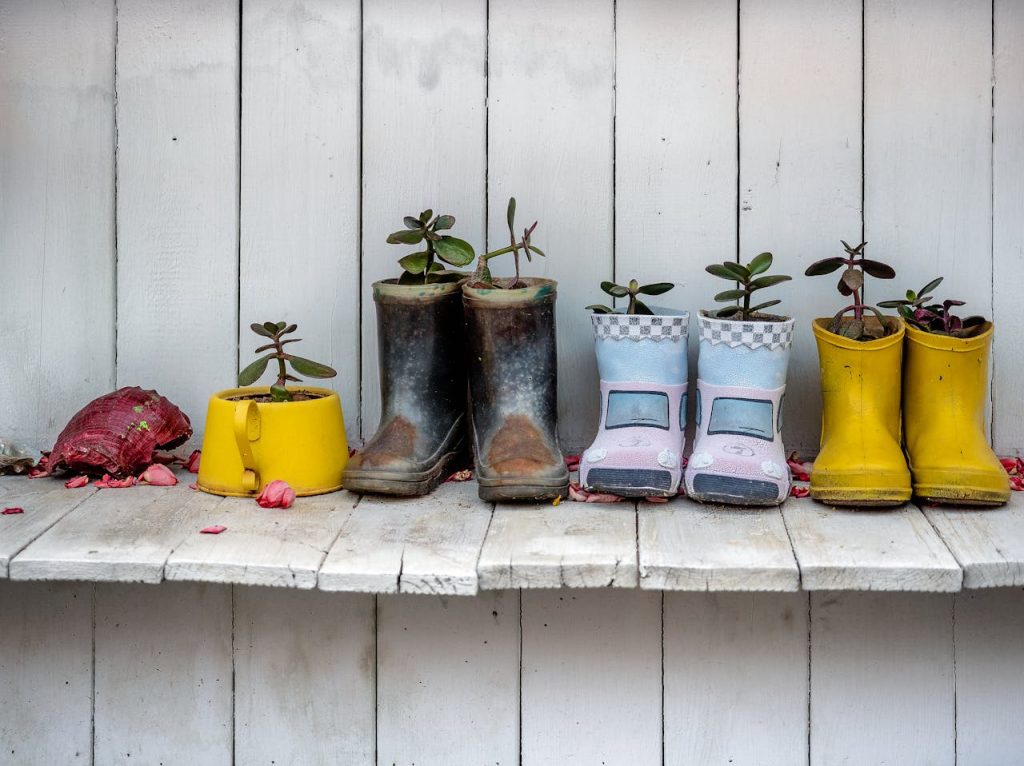
Many grassroots initiatives focus on upcycling waste materials into useful or artistic creations. Whether it’s turning old clothes into bags or using discarded wood to build community furniture, these projects highlight the creative potential of sustainability.
3. The Role of RePlay Lab in Community Sustainability
At RePlay Lab, we align with grassroots sustainability principles by refurbishing high‑quality educational toys and giving them a second life. We work to:
- Reduce Plastic Waste: Every refurbished toy represents one less item in landfill and reduces demand for new plastic production.
- Promote Educational Value: Our toys support STEM learning, creative play, and hands-on discovery.
- Encourage Community Participation: Families and educators contribute by donating toys and choosing sustainable play options.
By keeping educational toys in circulation, we help foster a culture where high-quality products are valued and reused, rather than discarded.
4. How You Can Get Involved in Grassroots Sustainability
A. Support Local Sustainability Initiatives
- Join a Community Garden or Toy Library: Look for local sharing networks that promote sustainability through communal resources.
- Attend Repair Workshops: Learn how to fix and repurpose items instead of throwing them away.
- Donate to Responsible Organisations: Support groups that refurbish and repurpose quality items, such as RePlay Lab.
B. Reduce, Reuse, and Reimagine
- Think Before You Buy: Choose second-hand or refurbished items where possible.
- Find New Uses for Old Things: Turn broken or outgrown toys into creative DIY projects.
- Educate the Next Generation: Teach children about the value of sustainability through hands-on experiences.
Conclusion
Grassroots sustainability initiatives prove that meaningful change starts in local communities. By rethinking waste, sharing resources, and prioritising reuse, individuals and small groups can make a significant impact. At RePlay Lab, we are proud to be part of this movement by giving educational toys a second life and promoting mindful, sustainable play.
By working together—one toy, one repair, one community effort at a time—we can help build a future where sustainability is not just a goal, but a way of life.
For more insights into sustainability, community-driven initiatives, and the role of play in education, continue to follow our blog at RePlay Lab.